
A Culinary Journey from South Mumbai to Goregaon
Mumbai is not a city you merely live in — it is a city you eat with. Its food is shaped by migration, trade, faith, necessity, celebration, and survival. Every neighbourhood has a rhythm, and every meal carries memory.
This is not a checklist. This is a curated guide to places Mumbaikars trust, return to, and recommend without hesitation.
I. South Mumbai — Where Public Dining Was Born
South Mumbai is where Bombay first learned to eat outside the home — cafés for dock workers, dining rooms for traders, bakeries for office clerks, and street food built for speed and affordability.
- Leopold Cafe remains one of the city’s most recognisable landmarks. Established in 1871, it is known for its lively atmosphere and dependable comfort food.
- As evening sets in, pavement dining takes over at Bademiya, a legendary late-night kebab stop that has fed generations under the open sky.
- For old-world charm and Parsi cuisine, Britannia & Co. remains unchanged by trends, famous for berry pulao and salli boti.
- Seafood lovers consider Trishna a benchmark for coastal Indian cuisine, particularly its butter garlic crab.
- Morning rituals belong to Irani cafés like Kyani & Co., where bun maska and chai remain constants in a fast-moving city.
- For everyday street food, Churchgate Khau Galli serves office-goers with pav bhaji, chaat, dosas, and Indo-Chinese quick bites.
- Late nights — especially during Ramadan — are defined by Mohammed Ali Road, known for nihari, baida roti, kebabs, and festive desserts.
- Vegetarian dining in South Mumbai is anchored by institutions.
- Golden Star Thali offers traditional Gujarati–Rajasthani thalis, while Bhagat Tarachand is known for hearty North Indian vegetarian comfort food.
- For dependable, pure-vegetarian multi-cuisine dining in the business district, Samrat continues to be a reliable choice.
- No South Mumbai food guide is complete without Sardar Pav Bhaji, famous for its rich, butter-laden pav bhaji served well into the night.
II. Central Mumbai — Food as Everyday Life

Moving north, Mumbai’s food becomes more rooted in routine and community.
- In Dadar, Aaswad is widely regarded as one of the finest representations of Maharashtrian cuisine, serving pithla bhakri, bharli vangi, and sol kadhi. Swati Snacks at Tardeo is famous for Vada Pav.
- Matunga is synonymous with South Indian food. Cafe Madras and Ram Ashraya are breakfast institutions known for dosas, idlis, and filter coffee.
- Near Shivaji Park, Gypsy Chinese reflects Mumbai’s long-standing love for Indian-Chinese cuisine, offering bold flavours and generous portions.
- Lower Parel showcases the city’s evolving dining culture. The Bombay Canteen presents regional Indian food through a modern, ingredient-driven approach.
III. Mahim Koliwada — Mumbai Before Mumbai
Before promenades and cafés, Mumbai’s food identity was shaped by the sea.
- Mahim Koliwada is not a restaurant district but the city’s original seafood culture. The day’s catch determines the menu — bombil, prawns, surmai, and pomfret cooked using traditional Koli techniques.This remains one of the most authentic representations of Mumbai’s coastal roots.
IV. Bandra — Where Mumbai Experiments
Bandra is known for its openness to new food ideas and formats.
- Along the seafront, Carter Road Food Street is popular for momos, shawarmas, waffles, and dessert counters, especially in the evenings.
- Within Bandra’s lanes, dining options vary widely. Pali Village Cafe offers European-style comfort food, Bastian focuses on indulgent modern dining, and Candies remains a favourite for casual meals.
V. Andheri to Goregaon — Where the City Feeds Itself
In the western suburbs, food is practical, familiar, and dependable.
- At 7 Bungalows in Andheri West, Suraj Lama Momos is widely regarded as one of Mumbai’s best momo spots, known for steamed and fried momos with spicy chutney.
- Mahesh Lunch Home remains a reference point for Mangalorean seafood, known for its consistency and structured menu.
- At Prithvi Cafe, food, theatre, and conversation intersect, making it as much a cultural space as a dining destination.
- Further north, Gajalee continues to define Malvani seafood dining with a loyal local following.
- Vegetarian options in this broader belt are equally important.
- Kailash Parbat is known for chaat and Sindhi vegetarian cuisine, while Gurukripa remains a long-standing favourite for Punjabi vegetarian comfort food.
Street Food and Maharashtrian Cuisine — Mumbai’s True Everyday Feast
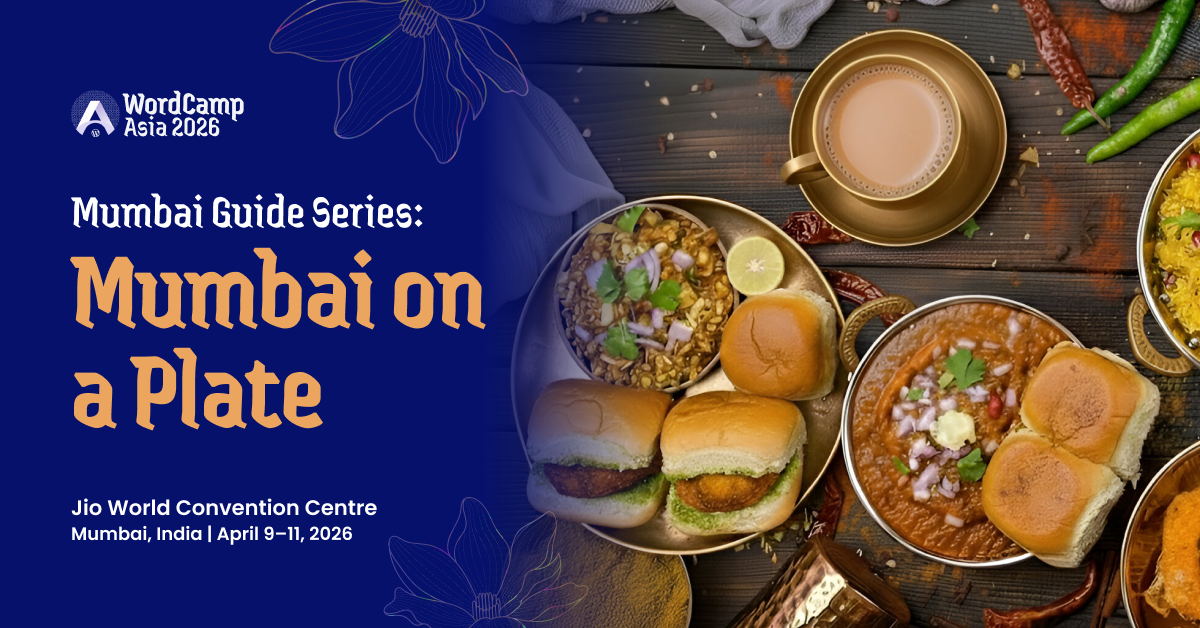
No culinary journey through Mumbai is complete without acknowledging what truly keeps the city fed: its street food and Maharashtrian staples. From vada pav and misal pav to sabudana vada, batata vada, and the endlessly comforting kanda poha, Mumbai’s street food is built for speed, flavour, and affordability. Every station, market lane, and busy signal has its own trusted stall where regulars don’t even need to place an order. Alongside this, Maharashtrian cuisine forms the city’s most grounded food identity; simple yet deeply satisfying.

And for the city’s sweetest and most nostalgic comforts, nothing beats fresh coconut-jaggery modaks during festival season, and the iconic Bombay sandwich — layered with chutney, cucumber, beet, and pure local joy.

Mumbai’s relationship with chai is almost sacred. It is not just a drink — it is a pause between meetings, a comfort after long commutes, and the city’s most reliable companion during rain, stress, celebration, and heartbreak. From cutting chai at street corners to strong Irani chai served with bun maska, every neighbourhood has its own favourite stall where regulars don’t even need to speak.
A City That Eats Together
Mumbai’s food culture is not about perfection or presentation.
It is about trust, repetition, memory, and resilience.
These places are not trends.
They are anchors — where the city eats daily, celebrates occasionally, and always